Grace Filled Lemons

Turning Trials into Testimonies, One Lemon at a Time *A wholiopathic journey through chronic illness, herbal healing, and grace-filled living.*

  • A Wholiopathic Reflection on Touch, Scent, and the Sacramental Life

    God formed us from the dust of the earth and breathed His Spirit into our bodies. From the beginning, He has communicated His love through creation — through what we can see, touch, taste, and smell. Our senses are not distractions from holiness; they are instruments of it.

    In a world that numbs and overstimulates, rediscovering the sacred language of the senses can heal both body and soul. This is where Wholiopathic care meets the liturgical life: learning to encounter God not only in prayer, but in every breath, aroma, and act of daily living.


    Scent — The Breath of Prayer

    Scent is deeply tied to memory, emotion, and worship. In Scripture, incense symbolizes prayer rising to Heaven — “Let my prayer be counted as incense before You” (Psalm 141:2). The Church still sanctifies our sense of smell in the liturgy through incense, chrism, and sacred oils.

    Wholiopathic reflection:

    Fragrance can open the heart to prayer. Light a beeswax candle or diffuse frankincense, myrrh, or lavender as you pray the Divine Office or reflect on Scripture. Let scent remind you that holiness is meant to permeate every part of life — not confined to church walls, but breathed into the ordinary.

    Try blending your own “holy hours” aroma:

    • Morning: Lemon, rosemary, and peppermint — for clarity and awakening.
    • Afternoon: Holy basil, cypress, and sweet orange — for renewal.
    • Evening: Lavender, frankincense, and cedarwood — for peace and surrender.

    Touch — The Healing Sacrament of Presence

    We experience so much of life through touch: a comforting hand, a blessing on the forehead, the cool water of Baptism, the anointing with oil. God sanctifies this sense again and again. Even Christ healed through touch — reaching toward the untouchable and calling them beloved.

    Wholiopathic reflection:

    Touch can restore peace to the nervous system and reawaken embodied trust. Practice anointing yourself or your loved ones with a simple oil — perhaps olive or almond — infused with herbs like calendula or chamomile. As you anoint, pray:

    “May the Lord bless and heal what feels weary within me. May my hands become instruments of His peace.”

    Your body becomes a vessel of sacramental care, reminding you that healing isn’t only spiritual — it is incarnational.


    Taste — Savoring the Goodness of God

    From the manna in the wilderness to the Eucharist, God continually nourishes His people through taste. “Taste and see that the Lord is good” (Psalm 34:8) is more than poetic — it’s a call to savor holiness.

    Wholiopathic reflection:

    Practice mindful eating as a form of prayer. Begin each meal with gratitude, chew slowly, and taste the flavors that God has given. Let herbal teas, honey, or simple foods remind you of His sweetness and provision.

    A lovely ritual: create a Liturgical Tea each Sunday — infuse herbs that align with the season or feast. For example, rose and lemon balm for Easter joy, or cinnamon and clove for Advent longing. Each sip becomes a small sacrament of remembrance.


    Sight — The Beauty That Heals

    Beauty heals what logic cannot. The Church, in her wisdom, surrounds us with stained glass, candles, vestments, and icons — not as decoration, but as doorways to contemplation.

    Wholiopathic reflection:

    Surround your home with small signs of sacred beauty: a sprig of rosemary by a statue, an icon near your prayer chair, a candle lit during work. The eyes rest, and the soul remembers: I am in the presence of God.

    Let the liturgical colors guide your space — green for growth, purple for repentance, white for purity and celebration. Beauty is not a luxury; it is medicine for the soul.


    Hearing — The Word That Enters the Heart

    Faith comes by hearing (Romans 10:17). The Psalms, hymns, and sacred silences of the Church remind us that hearing is not passive — it’s an act of reception.

    Wholiopathic reflection:

    Let your days be punctuated with sound that draws you into awareness: the bells of the Angelus, Gregorian chant, or even the rustle of trees in the wind. Let each sound call you to presence — to the reality that God is here, right now.


    Anointed Wholeness

    To live Wholiopathically is to live sacramentally — to let the material world become a meeting place between heaven and earth. The Liturgy of the Church teaches us this rhythm every day: incense rising, water poured, bread broken, hands laid in blessing.

    As we rediscover our senses as instruments of grace, we begin to live liturgically — every breath, every touch, every aroma transformed into prayer. This is the anointed rhythm of wholeness: body, mind, and soul united in the One who made them.

    From my Grace Filled Lemons heart to yours,

    Laura

  • In a world that glorifies hustle and constant motion, the ancient rhythm of the Liturgy of the Hours offers a sacred invitation: to slow down, to breathe, and to remember that every moment belongs to God.

    For centuries, monks, nuns, and lay faithful have prayed the Hours — Matins, Lauds, Terce, Sext, None, Vespers, and Compline — sanctifying each portion of the day through psalms, Scripture, and silence. But this rhythm isn’t reserved for monasteries; it can also become a healing framework for our daily lives — especially when seen through a Wholiopathic lens.


    Morning (Lauds) — Awakening the Body and Soul

    As the sun rises, our bodies naturally shift from rest to alertness. Morning prayer calls us to awaken both physically and spiritually — to receive the light of Christ as our first nourishment of the day.

    Wholiopathic companion practice:

    • Drink warm lemon water or an herbal infusion (like nettle + lemon balm) to awaken the body gently.
    • Step outside to feel the sunlight on your face; offer a short prayer of thanksgiving for the new day.
    • Pray: “Lord, open my lips, and my mouth will proclaim Your praise.”

    This sets the tone for alignment — body refreshed, mind focused, soul attuned to gratitude.


    Midmorning (Terce) — Centering and Breath

    By midmorning, energy can scatter as tasks and distractions multiply. Terce invites the Holy Spirit into the midst of our work. It’s a moment to recalibrate — to check in with how we’re feeling physically, mentally, and spiritually.

    Wholiopathic companion practice:

    • Pause for a few deep, mindful breaths.
    • Diffuse essential oils like rosemary for clarity or sweet orange for joy.
    • Offer a one-minute prayer: “Come, Holy Spirit, renew the face of my heart.”

    This is holistic healing in real time — using the body’s breath and God’s breath (Spirit) to restore harmony.


    Midday (Sext) — Nourishment and Stillness

    At noon, we are invited to rest in the heart of the day — to pause for sustenance and surrender. Our Wholiopathic care at this hour reminds us that food is prayer, and rest is sacred.

    Wholiopathic companion practice:

    • Eat slowly, with intention. Offer gratitude for your meal.
    • Step away from screens; take a few minutes of silence.
    • Reflect: Where have I seen God’s presence so far today?

    This is the healing of rhythm — knowing that we are not meant to push through, but to pause and be filled again.


    Afternoon (None) — Releasing Tension and Offering Fatigue

    By afternoon, energy dips and stress can creep in. The prayer of None sanctifies this weary space, reminding us that even fatigue is holy when offered to God.

    Wholiopathic companion practice:

    • Stretch gently, or walk outside for fresh air.
    • Massage your temples with diluted lavender or frankincense oil.
    • Pray: “Jesus, I offer You my weariness. May it bear fruit in love.”

    In Wholiopathic care, healing isn’t about avoiding weakness — it’s about finding wholeness through it.


    Evening (Vespers) — Gratitude and Release

    As the sun sets, Vespers draws us into thanksgiving. The body begins to unwind, and the soul prepares for rest. This is a time to let go — of control, worry, and self-reliance.

    Wholiopathic companion practice:

    • Brew a calming tea with chamomile and holy basil.
    • Light a candle or use soft lighting to create a sacred space.
    • Journal or pray: “Lord, I thank You for the graces of this day. Help me to rest in You.”

    The act of gratitude itself is medicine — lowering stress hormones, easing inflammation, and lifting the spirit.


    Night (Compline) — Rest and Renewal

    As darkness falls, we close the day in trust. Compline teaches us to surrender our worries and sleep in God’s peace.

    Wholiopathic companion practice:

    • Diffuse cedarwood or lavender essential oil to calm the nervous system.
    • Pray the Examen or a simple act of contrition.
    • Lie down and say: “Into Your hands, Lord, I commend my spirit.”

    True healing begins when we rest — not just our bodies, but our hearts in Christ.


    A Life of Rhythm and Restoration

    Incorporating the Liturgy of the Hours into Wholiopathic care invites us to live sacramentally — to recognize that every hour of the day offers a chance to commune with God through prayer, breath, nourishment, movement, and rest.

    When we heal with God’s rhythm, we remember that time itself is holy — and that healing is not just recovery, but reunion with the One who holds all things together.


    Wholiopathic Companions for Praying the Hours

    If you’re new to the Liturgy of the Hours, don’t be intimidated — the Church’s prayer is meant for everyone. Whether you’re a busy parent, someone living with chronic illness, or simply seeking a more sacred rhythm to your day, there are beautiful tools to help you begin:

    • Word on Fire’s Liturgy of the Hours — a stunning single-volume edition with simple, clear layout and rich commentary. It’s a beautiful way to pray with the Church while immersing yourself in beauty and reverence. This is also available in monthly booklets.
    • iBreviary App — free and accessible anywhere, perfect for quiet prayer breaks throughout the day.
    • Divine Office App — includes audio versions of the Hours, ideal for praying along during morning walks or rest periods.
    • The Liturgy of the Hours explained by Fr. Mike Schimtz

    Begin simply — maybe just Morning Prayer (Lauds) and Night Prayer (Compline) — and let the rhythm grow naturally, like a heartbeat returning to wholeness.

    Each prayer hour can become a moment of embodied healing: breath, intention, and stillness joining with the voice of the universal Church.

    From my Grace Filled Lemons heart to yours,

    Laura

  • There’s something sacred about the moment the air changes — when the sunlight softens, leaves blush into amber, and you can feel the quiet turning of the year. Creation exhales.

    Every shift of season whispers the same truth: God is still at work, even when things appear to be ending.

    We often welcome new beginnings, but resist the transitions that lead us there. Yet it is in these sacred in-between spaces — where the green fades and the soil rests — that grace does its quietest work.


    God’s Rhythm in the Seasons

    Just as the trees don’t cling to their leaves, the soul must sometimes let go of what once brought life. Autumn is God’s invitation to release control, to trust that letting go doesn’t mean loss — it means making room.

    Winter will come, yes, but not as punishment. It comes as a holy pause — a time to be still and allow hidden growth. Spring and summer will follow in their time. Each season holds a distinct form of grace, if we are willing to receive it.


    Wholiopathic Wisdom: Aligning Body and Soul

    Our bodies also crave this rhythm of rest and renewal. During seasonal transitions, the nervous system often feels tender — change can be physically and emotionally depleting.

    Try to support your body gently:

    • Rest more — follow nature’s lead and slow your pace.
    • Eat seasonally — roasted root vegetables, warming spices, and herbal teas to ground the body.
    • Pray with creation — take quiet walks, breathe in the scent of fallen leaves or rain, and let the sensory beauty of the world draw you into God’s presence.

    The same God who orders the stars orders your seasons, too.


    A Prayer for Changing Seasons

    Lord of all seasons,

    I give You this turning — this quiet, uncertain time between what was and what will be.

    Teach me to let go with grace,

    to trust Your timing more than my plans.

    Help me to rest where You’ve placed me,

    to find You in the slowing down,

    and to remember that even in the falling leaves,

    Your promise of new life is never broken.

    Amen.


    Seasonal Herbal Companion

    “Autumn Renewal Tea”

    • 1 part rooibos (for gentle energy and antioxidant support)
    • 1 part cinnamon chips (for warmth and circulation)
    • ½ part ginger root (for digestion and inflammation)
    • ½ part orange peel (for uplifted mood)
    • Optional: a pinch of clove or cardamom (for spiritual grounding)

    Steep in hot water for 10 minutes and sip while journaling or praying. Let the aroma remind you that even as the world cools, your heart can stay warm in His love.


    Closing Blessing

    May this changing season find you rooted in peace.

    May you breathe deeper, trust slower growth, and see beauty in the letting go.

    And when the cold winds come, may you know that beneath the bare branches, God is still weaving new life — in you, and all around you.

    From my Grace Filled Lemons Heart to yours,

    Laura


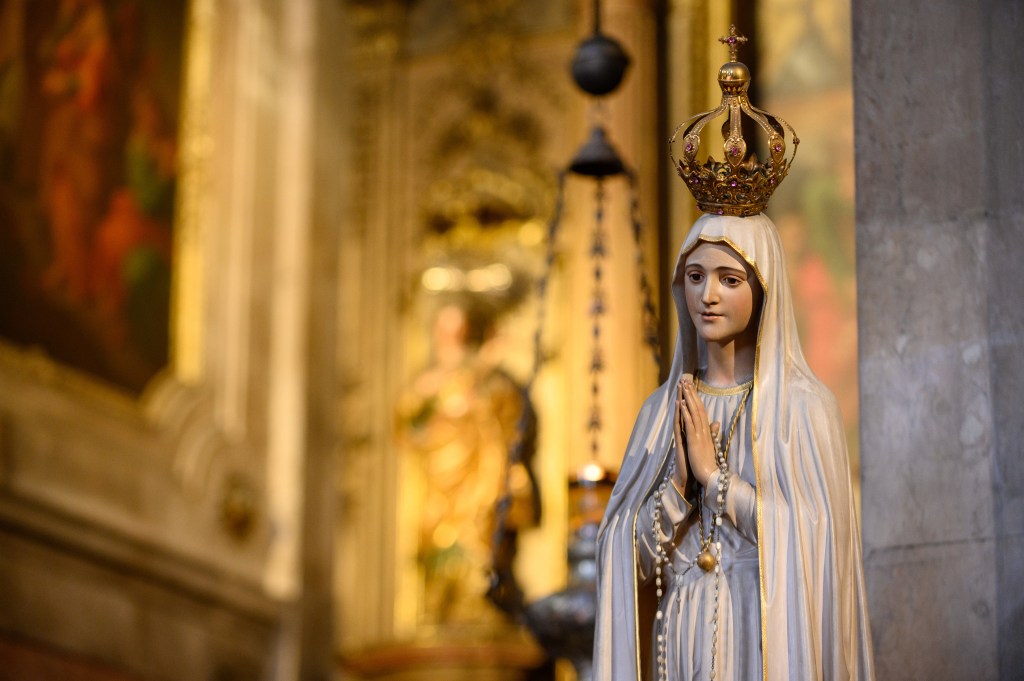
  • October 7th shines with gentle beauty as we honor Our Lady of the Rosary, our mother who invites us to hold Heaven in our hands through the simple rhythm of prayer. The Rosary is not just beads—it is a pathway of healing, a heartbeat of love that walks us through the life, death, and resurrection of Christ.

    In moments of pain or illness, I often find the Rosary to be both anchor and balm. Each bead calls me back to breath, each mystery reorients my heart to hope. It steadies the nervous system, calms anxious thoughts, and draws the soul into the stillness where Christ restores us.


    The History of the Feast

    The Feast of Our Lady of the Rosary was established after the miraculous victory at the Battle of Lepanto in 1571, when Christian forces triumphed through the intercession of Mary as believers prayed the Rosary. This victory wasn’t only military—it was spiritual. It was a reminder that no weapon is stronger than prayer united with faith.

    Today, the Rosary continues to defend us—not against physical armies, but against despair, anxiety, and spiritual confusion. Each mystery leads us deeper into Christ’s peace, helping us see our own suffering through His redemptive love.


    Wholiopathic Healing Through the Rosary

    From a wholiopathic view, the Rosary engages both body and soul in healing harmony.

    • The rhythm of the Hail Marys calms the vagus nerve and supports parasympathetic balance.
    • The mysteries invite mindful meditation, activating neural pathways of gratitude and peace.
    • The incense of prayer (or gentle essential oils) can turn any corner of your home into a small sanctuary of healing.

    Try pairing your Rosary time with lavender or frankincense essential oil, or sip a chamomile–rose herbal tea as you pray. Let scent, sound, and spirit weave together in sacred stillness.


    A Prayer to Our Lady of the Rosary

    Mother Mary, Lady of the Rosary,

    gather my scattered thoughts and weary heart into your hands.

    As I pray, let each bead become a seed of peace,

    planted in the garden of my soul.

    Pray with me, Mother, that I may see Christ’s light in every sorrow,

    His victory in every cross.

    Wrap me in your mantle of grace,

    and teach me to say yes to God in all things,

    until my life itself becomes a living rosary of love.

    Amen.


    A Rosary-Inspired Herbal Blend

    “Ave Maria Calm Tea”

    • 1 part chamomile (for peace)
    • 1 part rose petals (for love and devotion)
    • ½ part lemon balm (for joy)
    • ½ part lavender (for calm and clarity)
    • Optional: a touch of dried orange peel (for hope and brightness)

    Steep 1 tablespoon in 10 oz of hot water for 5–7 minutes. Sip prayerfully between decades or before bedtime as you meditate on the mysteries of Christ’s peace.


    Closing Blessing

    As you pray this month, remember: Our Lady doesn’t just listen—she mothers. She draws you closer to her Son, and through the Rosary, she wraps your wounds in Heaven’s healing light.

    May every bead remind you that you are never forgotten, never unseen, and never beyond redemption’s reach.

    Our Lady of the Rosary, pray for us. 🌹

    From my Grace Filled Lemons heart to yours,

    Laura
  • Theme: Little Way, Big Grace

    Featured Feasts:

    • Oct 1: St. Thérèse of Lisieux
    • Oct 2: Feast of the Guardian Angels
    • Oct 4: St. Francis of Assisi

    Weekly Herbal Recipe:

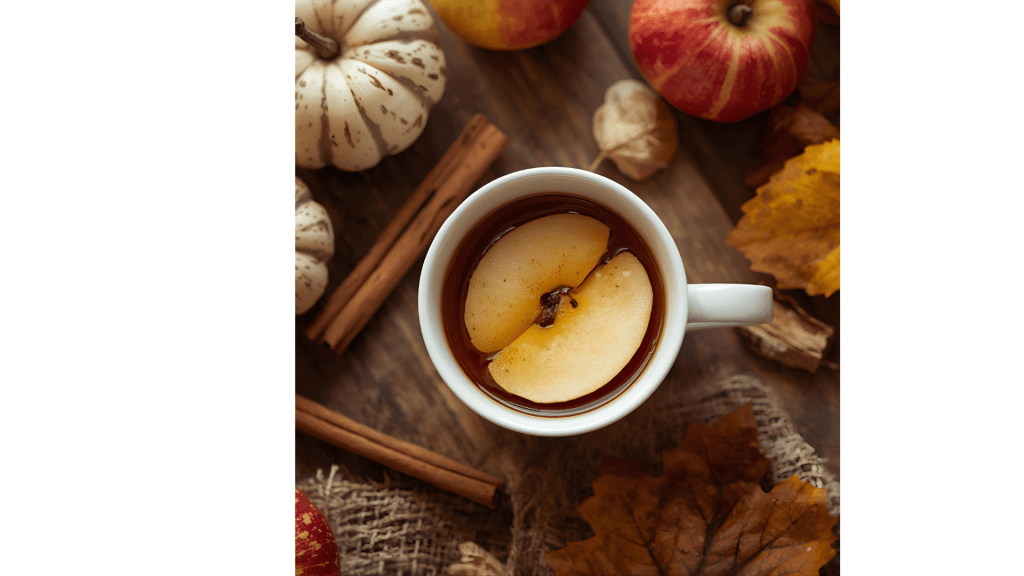
    Apple & Cinnamon Digestive Tea

    • Ingredients: 1 tsp dried apple pieces, ½ tsp cinnamon bark, pinch of dried ginger, a few rose petals
    • Instructions: Steep in 1½ cups boiling water for 10 minutes. Sweeten lightly with honey.
    • Use: A gentle aid for digestion and emotional warmth during seasonal change.

    Monday, Sept 30

    Tuesday, Oct 1 – St. Thérèse of Lisieux

    Wednesday, Oct 2 – Feast of the Guardian Angels

    Thursday, Oct 3

    Friday, Oct 4 – St. Francis of Assisi (No Meat)

    Saturday, Oct 5

    Sunday, Oct 6 – Lord’s Day Feast

    From my Grace Filled Lemons heart to yours,

    Laura

  • For 14 years, I lived and breathed the Protestant faith. I loved Jesus, I read my Bible, I prayed with sincerity, and I sought to live a life that honored God. I am deeply grateful for the foundation that was laid for me there. And yet, even as I loved God, there was an ache in me, an emptiness that I couldn’t name. Questions lingered in my heart that no one seemed able to answer, and a quiet voice kept calling me deeper.

    That voice eventually led me home to the Catholic Church.

    This is not a rejection of my Protestant brothers and sisters. It is, rather, a testimony of the treasures I have found in the Church Christ Himself founded. I want to share some of the truths that drew me in, truths that many Protestants either reject or misunderstand, and what I believe the consequences of that unbelief are.


    Authority and Apostolic Succession

    In Protestantism, the foundation is sola Scriptura-the Bible alone. Everyone is free to interpret Scripture as they feel led, and pastors teach according to their understanding. That sounds freeing, but what it creates is fragmentation. Thousands of denominations all claim the Spirit as their guide, yet they contradict one another.

    In Catholicism, Christ didn’t leave us to figure things out on our own. He gave His authority to the apostles, and through them, to their successors-the bishops-anchored by Peter and his successors, the popes. The Magisterium guards Scripture and Tradition together, so truth is not tossed about on the waves of opinion.

    The consequence of rejecting this authority? Disunity. Confusion. Division. The splintering of Christ’s body into countless pieces.


    The Eucharist: The True Presence of Christ

    Jesus said plainly, “This is My Body… This is My Blood.” In John 6, He declared, “Unless you eat the flesh of the Son of Man and drink His blood, you have no life in you.”

    In most Protestant churches, communion is symbolic-a mere reminder. But in Catholic teaching, the Eucharist is not a symbol. It is Jesus Himself-Body, Blood, Soul, and Divinity-hidden under the appearance of bread and wine. The early Church Fathers believed this. The saints lived and died for this truth.

    The consequence of rejecting this reality? Some Protestants love Jesus sincerely, but they miss the intimacy of literally receiving Him into their bodies, the very Bread of Life that sustains the soul.


    Mary and the Communion of Saints

    As a Protestant, I was taught to “go straight to Jesus” and to avoid what was called “Mary worship.” But Catholic teaching is not about worship-it’s about family. In baptism, we are born into the family of God, and that family includes those already in heaven. Mary, as the Mother of Jesus, is our mother too, and the saints intercede for us like older siblings praying for their younger ones.

    The consequence of rejecting this truth? A Christian is left to fight the battle of faith more alone, without the maternal help of Mary or the intercession of the saints who already see God face to face.


    Confession and the Forgiveness of Sins

    I used to confess silently in prayer, hoping God forgave me, but never certain. In Catholicism, Christ gave His apostles the authority to forgive sins in His name: “Whose sins you forgive are forgiven them” (John 20:23). In the Sacrament of Reconciliation, I don’t just hope-I hear the words of absolution spoken aloud. My sins are gone, covered by the Blood of Christ.

    The consequence of rejecting this sacrament? A life lived in either constant guilt or presumption, without the grace of sacramental assurance.


    The Sacraments: Grace Made Tangible

    Protestantism often reduces baptism and communion to symbols, with little sense of God acting through them. But in Catholicism, the sacraments are real channels of grace. God uses water, bread, wine, oil, and human hands to pour His life into ours. He meets us in the physical because He made us body and soul.

    The consequence of rejecting sacramental grace? Faith risks becoming only intellectual or emotional, missing the incarnational reality of a God who still touches His people through matter.


    The Unity of the Church

    Jesus prayed in John 17, “That they may all be one.” The Catholic Church, despite her human flaws, remains one, holy, catholic, and apostolic-unbroken in teaching and sacramental life for 2,000 years.

    The consequence of rejecting this unity? Endless division and a diminished witness to the world, which looks on and sees not one Church, but a thousand competing voices.


    The Consequences of Unbelief

    These differences are not small. They shape everything. To miss the Eucharist is to miss Christ’s very Body. To reject apostolic authority is to embrace disunity. To ignore the saints is to walk without heavenly companions. To deny sacramental grace is to live with less strength for the journey.

    I don’t say this with pride but with sorrow-for I lived without these treasures for so long. And I share it now with love, because I long for others to discover what I have found.


    Coming Home

    The moment I knelt at my first Catholic Mass, I wept. Here was Jesus, not symbolically, not distantly, but really and truly before me. Here was Mary, my mother. Here was the Church, ancient and unbroken. Here was home.

    My life has not grown easier since becoming Catholic, but it has grown deeper, steadier, and fuller of grace. The sacraments sustain me. The saints surround me. And Christ, truly present in the Eucharist, feeds me.


    An Invitation

    If you are Protestant reading this, I honor the faith you hold. But I also invite you to ask, What if there is more? What if the treasures of the Catholic Church are the fullness of what Jesus intended for His people?

    Come and see. Pray, study, and be open. The Church is not a museum of rituals but the living Body of Christ. And she has been waiting for you all along.

    From my Grace Filled Lemons heart to yours,

    Laura
  • Maybe you didn’t wake up this morning feeling holy.
    Maybe your life feels messy, quiet, tired, repetitive.
    Maybe you wonder if any of it really matters.

    But right now—here, in this moment—you are standing on holy ground.

    Not because everything is perfect.
    But because God is here.

    “Take off your sandals, for the place where you are standing is holy ground.”
    — Exodus 3:5

    God spoke these words to Moses from a burning bush in the middle of the wilderness.
    Not in a temple. Not on a mountaintop. Not at a feast.
    But in an ordinary patch of desert dirt.

    That’s where God revealed His presence. That’s where He gave Moses his mission.

    God still meets us in desert places. In kitchens. In hospital rooms. In quiet living rooms filled with laundry and longing.
    The sacred isn’t always separate from the ordinary—it is woven into it.

    You don’t have to leave your life to live for the Kingdom.
    You just have to be awake to His presence in it.

    Because the sacred is not somewhere else—it’s right here.
    In your hands. In your words. In your every quiet yes to love.

    The holiness of your life isn’t measured by size or spotlight.
    It’s measured by love.
    And love always builds the Kingdom.

    A Final Prayer for the Journey:

    Lord, open my eyes to see the sacred in my everyday life.
    Remind me that I don’t have to be anywhere else or anyone else to be part of what You are building.
    Help me to walk with reverence—through routines, through relationships, through sorrow and joy—knowing that You are with me.
    Let my life be holy not because it’s perfect, but because it is Yours.
    Amen.

    Journaling Prompts:

    • Where have I seen God move in my ordinary life lately?
    • What part of my daily routine could become a place of prayer or offering?
    • How would I live differently if I truly believed this is holy ground?
    • What small act of love can I offer today—right where I am?

    You don’t have to go far to find sacred ground.
    Just stand still. Breathe deep. Say yes.
    You’re already in it.

    With you in the holiness of everyday life,
    Laura

  • The crisp air of fall always invites us to cozy flavors—pumpkin bread in the oven, a steaming mug in hand, and the aroma of warming spices that feel like a hug for the soul. But did you know that our beloved “pumpkin spice” blend has roots that reach back nearly a thousand years, to a remarkable saint and doctor of the Church?

    St. Hildegard of Bingen and the Spices of Joy

    St. Hildegard of Bingen (1098–1179) was a Benedictine abbess, visionary, herbalist, composer, and writer whose wisdom continues to inspire both the Church and the world of natural healing. Among her many insights into health and wholeness, she recommended a simple blend of nutmeg, cinnamon, and cloves, which she called the “spices of joy.”

    Hildegard wrote that these spices could lift the heart, clear the senses, and soothe sadness. For her, food and medicine were never separate—they were ways God provided both nourishment and healing for body and soul.

    Sound familiar? Three of these same spices—nutmeg, cinnamon, and cloves—are at the heart of what we now call pumpkin spice. Add ginger and allspice (flavors unknown in Hildegard’s Europe), and you’ve got the modern blend we sprinkle on lattes, pies, and muffins every autumn.

    So while St. Hildegard never sipped a pumpkin spice latte, she gave us the foundation of its joyful flavors centuries before it became a seasonal obsession.

    Catholic Autumn Celebrations

    The Church also gives us rich reasons to celebrate in this season of harvest. Some beautiful feasts in September and October include:

    September 14 – Exaltation of the Holy Cross

    September 17 – St. Hildegard of Bingen (her feast day!)

    September 29 – Feast of the Archangels (Michael, Gabriel, Raphael)

    October 1 – St. Thérèse of Lisieux

    October 4 – St. Francis of Assisi

    October 7 – Our Lady of the Rosary

    October 15 – St. Teresa of Ávila

    October 18 – St. Luke the Evangelist

    October 22 – St. John Paul II

    October 28 – Sts. Simon and Jude

    And of course, All Saints’ Day (November 1) which crowns the fall season with the joy of the entire communion of saints.

    These feast days invite us to pause, pray, and perhaps gather around the table with seasonal flavors that remind us of God’s abundance.

    Recipe: St. Hildegard’s Pumpkin Spice of Joy

    Here’s a modern take on Hildegard’s joyful spice blend—perfect for sprinkling into coffee, tea, oatmeal, or baking.

    Ingredients:

    3 Tbsp ground cinnamon

    2 tsp ground nutmeg

    2 tsp ground cloves

    2 tsp ground ginger (modern addition)

    1 tsp allspice (optional, modern addition)

    Instructions:

    Mix all spices together and store in a small jar.

    Use ½–1 tsp per cup of coffee, latte, tea, or in recipes calling for “pumpkin spice.”

    ✨ If you want to keep it true to Hildegard, stick to just cinnamon, nutmeg, and cloves—and you’ll be enjoying her original “spices of joy.”

    A Prayer for Autumn Joy

    Lord of the harvest, thank You for the gifts of this season—its flavors, its colors, its saints, and its reminders of Your abundant love. May the simple comforts of autumn draw our hearts to You, the Giver of every good gift. Through the intercession of St. Hildegard, help us to taste and see Your goodness in all things. Amen.

    From my Grace (and Autumn) Filled Lemons heart to yours,

    Laura

  • Theme: Harvesting Grace & Hidden Charity

    Featured Feast:

    • Sept 27: St. Vincent de Paul – Patron of charitable societies
    • Sept 29: Feast of the Archangels: Michael, Gabriel, and Raphael

    Weekly Herbal Recipe:

     Angel’s Breath Immune Brew

    • Ingredients: 1 tsp elderberries, 1 tsp echinacea root, 1 slice fresh ginger, 1 cinnamon stick
    • Instructions: Simmer ingredients in 1½ cups water for 15 minutes. Strain and sweeten with honey.
    • Use: A warming tonic to protect and strengthen immunity during seasonal transition.

    Monday, Sept 22

    Tuesday, Sept 23

    Wednesday, Sept 24

    Thursday, Sept 25

    Friday, Sept 26 – No Meat

    Saturday, Sept 27 – St. Vincent de Paul

    Sunday, Sept 28

    Monday, Sept 29 – Feast of the Archangels

    From my Grace Filled Lemons heart to yours,

    Laura

    *P.S. A gentle reminder: if your health or energy doesn’t allow for a full meal plan right now, please don’t feel bad about that. Healing and nourishment look different for everyone. Maybe just pick one recipe to try—or simply enjoy the inspiration. And if even that feels like too much this week, that’s okay too. Let grace carry you, not guilt. You’re doing the best you can, and that is more than enough.

  • There are seasons of life that break us open.
    Not in ways we wanted. Not in ways we planned.
    But in ways that bring us to our knees, trembling and honest.

    Maybe you’re in one of those seasons now.

    Grief. Illness. Loneliness. Fear.
    The ache that lingers in your chest even after the world moves on.
    The prayers you keep whispering into silence.

    It’s hard to imagine that this place—this raw, weary place—could be part of building God’s Kingdom.
    But it is. Because in God’s hands, even suffering becomes sacred.

    “I rejoice in my sufferings for your sake… and in my flesh I am filling up what is lacking in Christ’s afflictions…”
    — Colossians 1:24

    These are words we don’t fully understand—only grace can interpret them.

    St. Paul knew what it was to suffer.
    So did the saints. So did Christ.

    In Catholic teaching, suffering united to Christ becomes redemptive.
    Not meaningless. Not wasted. But offered.

    It becomes intercession. Communion.
    A mysterious participation in Christ’s love poured out for the world.

    This doesn’t mean your pain is good or that God caused it.
    But it does mean your pain is not the end of the story.
    It has weight. It has worth. It can bear fruit you may never see.

    You are not being punished.
    You are being held.

    In your surrender, you are building something eternal.
    Not in spite of your suffering—but through it, with Him.

    Christ does not stand far off from your pain—He enters into it.
    He weeps with you.
    And He stays.

    A Prayer for the Suffering Soul:

    Jesus, I offer You my pain—this heavy, aching part of my story.
    I don’t always understand it. I don’t always know what You’re doing in it.
    But I believe You are near.
    Let this suffering be transformed.
    Let it become a prayer. Let it become love. Let it bear fruit, even if I never see it.
    I trust You with this part of my life, too. Amen.

    Journaling Prompts:

    • What suffering am I carrying right now that feels too heavy to speak aloud?
    • How can I begin to offer that suffering to Christ—not with perfect words, but with trust?
    • Have I seen a past season of pain bring unexpected growth or grace?
    • What would it mean to believe that even this—especially this—is not wasted?

    Take heart. Your tears are not lost on the floor.
    They are gathered. Blessed. Redeemed.

    With you in the ache,
    Laura

© 2025 Laura Smith. All rights reserved.
The content on Grace Filled Lemons is the intellectual property of the author and may not be reproduced without written permission.