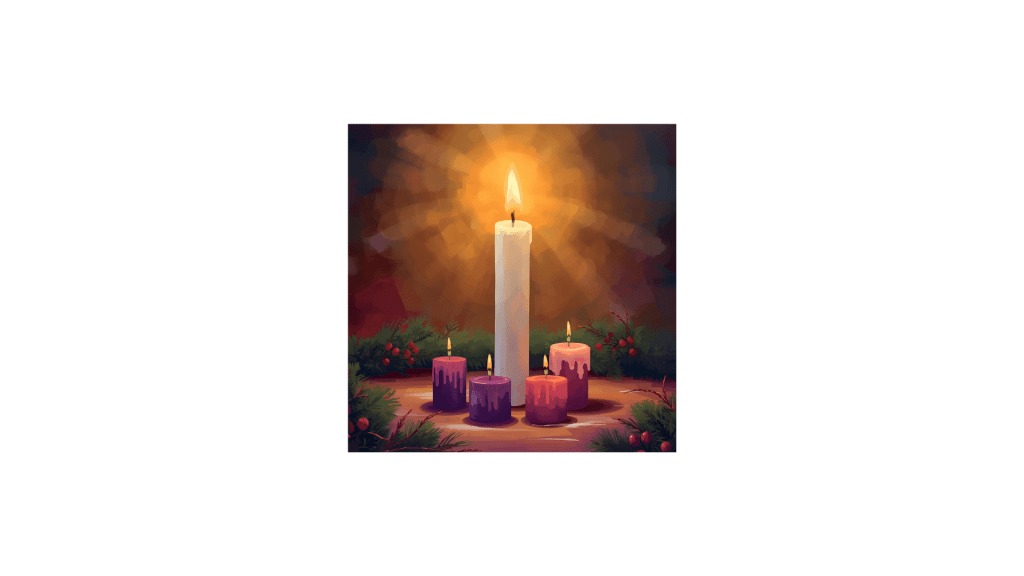
• As December deepens, the days shorten and the light fades earlier. By late afternoon, shadows stretch long across the floor, and the world slips into a deeper hush. These final days before Christmas often feel heavy with expectation — but they are also threaded with a sacred stillness that the Church invites us to enter, not escape.

    There is holiness in the darkening hours.

    Not the darkness of despair, but the darkness of waiting wombs, quiet mangers, and sleepless shepherd vigils.

    In a culture that races toward Christmas morning, Advent whispers an older truth:

    God often moves most powerfully in silence.


    The Spiritual Power of Growing Darkness

    Darkness is not the absence of God — it is the canvas on which He reveals light.

    “The people who walked in darkness have seen a great light.”

    (Isaiah 9:2)

    This prophecy doesn’t say the people ran from darkness.

    Or that God waited for daylight.

    It says He enters the dark with us — and transforms it.

    The final days of Advent are not meant to be loud or frantic.

    They are meant to draw us inward, like Mary carrying Christ beneath her heart, hidden, unseen, and held in perfect quiet.

    These silent hours before Christmas are an invitation:

    • to slow
    • to soften
    • to let the soul breathe
    • to become more attentive
    • to prepare a quieter interior space

    Silence prepares the womb of the heart for the Word made Flesh.


    Wholiopathic Insight: Darkness Calms the Body

    We often underestimate how healing December’s natural rhythms can be.

    Dim light and earlier nights help the nervous system:

    • lower cortisol
    • regulate sleep cycles
    • reduce overstimulation
    • calm inflammation
    • soften mental chatter
    • encourage emotional steadiness

    When we allow ourselves to live with winter instead of against it, the body exerts less energy resisting its natural, God-designed rhythms.

    Silence and gentle darkness do what loudness and constant brightness cannot:

    they restore.


    Mary’s Advent in the Dark

    Mary lived the last days of her pregnancy in near-total obscurity.

    No spotlight.

    No crowds.

    No holiday noise.

    Only the quiet ache of expectation, the slow breathing of a woman waiting for God to be born through her.

    She shows us that holiness does not require energy.

    It requires openness.

    Her final days before the Nativity were:

    • dim

    • humble

    • tender

    • filled with whispers of prayer

    • wrapped in the sanctity of silence

    This is the invitation of these last Advent days:

    to sanctify the quiet, not rush through it.


    A Practice for the Silent Hours: The Night Watch Examen

    This is a gentle, contemplative ritual for the nights leading to Christmas.

    1. Turn off bright lights.
    2. Light one candle — just one.
    3. Sit in the dim glow and ask your heart three soft questions:1. God, where did I sense You today?(Even in tiny moments.)2. Where did I resist Your presence?(Gently, without shame.)3. Where do I long for You to come?(Name your ache.)
    4. Sit in silence for 1–3 minutes.
    5. Blow out the candle with a soft prayer:“Come, Lord Jesus.”

    This prayer doesn’t require energy or emotion.

    It only requires presence.


    Herbal Companion: The Holy Stillness Simmer Pot

    This blend fills the home with a warm, contemplative fragrance perfect for the darkening days of Advent.

    In a pot of water, simmer:

    • 1 cinnamon stick
    • A handful of cedar or pine needles
    • 3 whole cloves
    • A strip of orange peel
    • A small sprig of rosemary

    This blend resonates with:

    • warmth (cinnamon)

    • winter purity (pine)

    • anticipation (clove)

    • the promise of dawn (orange)

    • remembrance and prayer (rosemary)

    Let the aroma become a form of prayer — gentle, steady, and comforting.


    Closing Prayer

    Lord Jesus,

    as the nights grow long and the world grows quiet,

    teach my heart to enter the holy stillness of Advent.

    Sanctify the dim places.

    Bless the silence.

    Calm the noise within me.

    Meet me in the quiet where I can finally hear Your voice.

    Help me slow down, breathe deeply,

    and prepare a peaceful place for You.

    Come into my darkness and make it holy.

    Come into my silence and fill it with Your presence.

    Come into my waiting and make it fruitful.

    O Radiant Dawn,

    draw near.

    Amen.

    From my Grace Filled Lemons heart to yours,

    Laura
  • Halfway through Advent, the Church places a soft rose candle in our hands and whispers, Gaudete — Rejoice.

    It’s a jarring invitation if we’re honest.

    Joy can feel far away, especially when life feels heavy, uncertain, or slow. When illness flares. When prayers—like annulments, healings, reconciliations—take longer than expected. When the body is tired and the heart feels stretched thin.

    But the Church is wiser than our feelings.

    Gaudete Sunday does not demand happiness.

    It invites joy.

    And joy is not the same thing.

    Happiness erupts.

    Joy unfolds.

    Happiness rushes.

    Joy roots.

    Happiness sparkles.

    Joy glows.

    And most beautiful of all:

    Joy can grow even in the dark.


    Joy Begins as a Seed, Not a Celebration

    The rose candle isn’t bright red.

    It isn’t gold.

    It isn’t dazzling.

    It’s soft — tender — almost fragile.

    A sign that joy begins gently, like dawn on the horizon.

    Scripture tells us:

    “Rejoice in the Lord always.” — Philippians 4:4

    Not because life is perfect,

    but because God enters imperfect places.

    Joy is not something we manufacture.

    Joy is Someone we welcome.


    Wholiopathic Insight: Joy as a Slow, Cellular Healing

    Deep joy doesn’t demand energy.

    It doesn’t require a smile.

    It doesn’t depend on circumstances changing.

    Joy is a physiological healing force.

    Slow joy can:

    • support mitochondrial recovery

    • soften chronic stress hormones

    • improve circulation

    • help stabilize mood cycles

    • quiet intrusive thoughts

    • restore gentle resilience

    This is why God invites joy even in suffering — not as denial, but as medicine.

    You do not need to feel joy for it to begin healing you.

    You only need to be open to it.

    Just as a seed receives water even in the cold ground, your soul can receive joy even in a season of waiting.


    Joy in Chronic Illness, Fatigue, and Emotional Strain

    For the weary:

    Joy does not require strength.

    For the anxious:

    Joy does not require certainty.

    For the grieving:

    Joy does not erase sorrow — it accompanies it.

    For those longing for convalidation, clarity, direction, or healing:

    Joy whispers, “God is already here, even before the breakthrough.”

    Your joy does not need to sparkle.

    To God, a faint spark is still a flame.


    A Soft Practice for Gaudete: The Rose Dawn Ritual

    This practice honors the slow, gentle nature of joy.

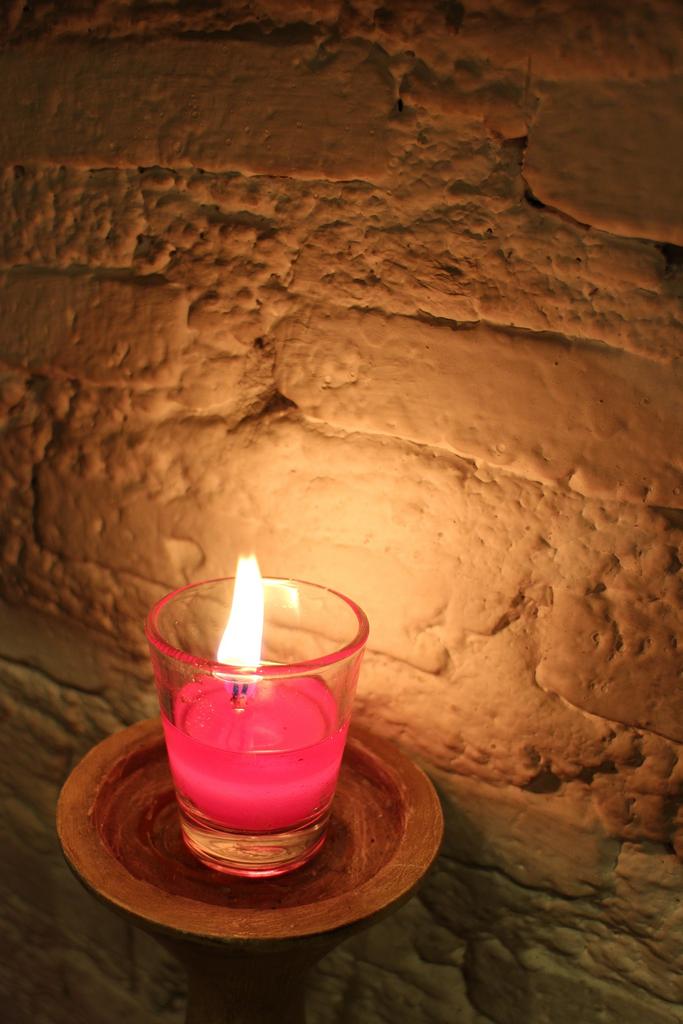
    1. Light a pink or soft-colored candle.
    2. Rest your hand on your heart or your abdomen.
    3. Breathe in for 4 counts, praying:“Lord, let joy rise slowly in me…”
    4. Breathe out for 6 counts, praying:“…even if I cannot see it yet.”
    5. Sit with the candle for 2–5 minutes.No pressure. No forced feelings.Just openness.

    Joy loves open spaces, not forced ones.


    Herbal Companion: Rose + Citrus “Gaudete Lift” Blend

    A gentle joy-supporting tea inspired by the rose candle.

    • 1 tsp rose petals (softening, heart-opening)
    • ½ tsp dried orange peel (brightening without overstimulation)
    • ½ tsp lemon balm (gentle mood support)
    • 1 tsp white tea or rooibos
    • Honey or vanilla to taste

    This blend doesn’t hype the nervous system — it gently lifts it, like pink light rising on winter snow.


    Closing Prayer

    Lord Jesus,

    teach me the grace of slow joy.

    Let it awaken in me the way dawn touches the earth —

    softly, quietly, faithfully.

    Where my heart is weary,

    plant joy like a seed.

    Where my mind is tired,

    let joy steady me.

    Where my soul feels dim,

    let joy glow gently within.

    I welcome the joy You offer —

    not loud or forced,

    but tender, healing,

    and rooted in Your presence.

    Come, Lord Jesus,

    and let Your joy unfold in me

    one soft moment at a time.

    Amen.

    From my Grace Filled Lemons heart to yours,

    Laura
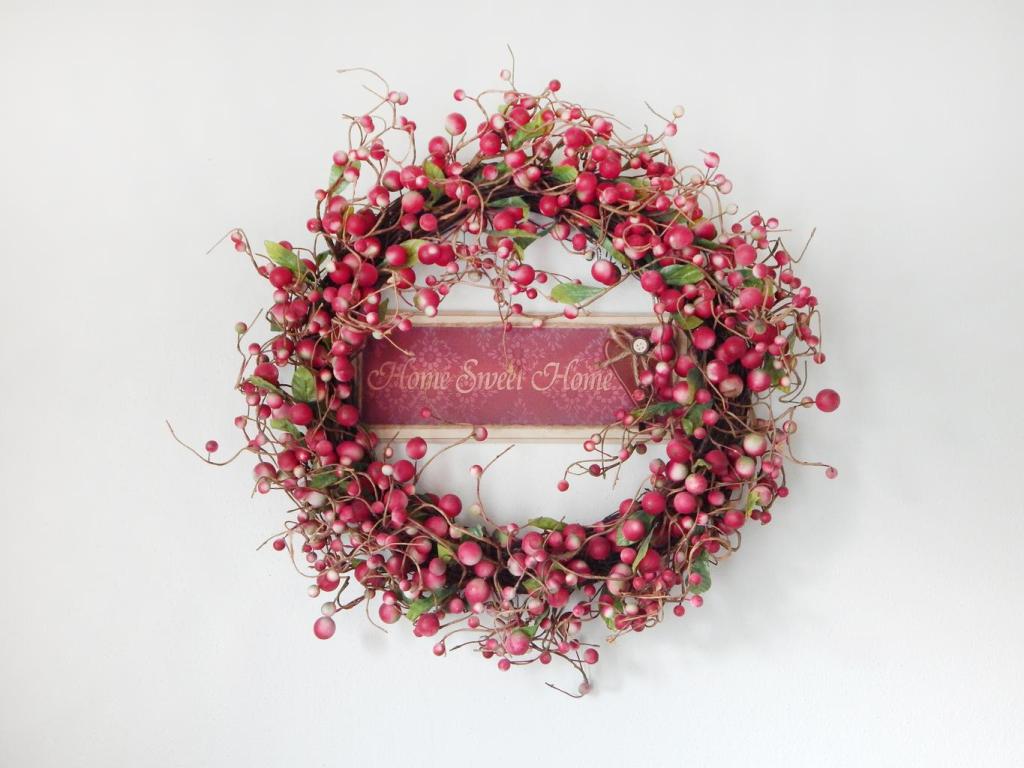
  • There is a quiet kind of beauty that belongs to winter — soft lighting, warm textiles, comforting scents, and simple spaces that help the soul exhale. But the world often tries to convince us that a meaningful home must be full: full of decorations, full of noise, full of movement, full of more.

    Yet the home where Christ was born was simple.

    Uncluttered.

    Quiet.

    Barely furnished.

    And utterly holy.

    This post is not about perfect décor.

    It is about creating a home — in December and beyond — that becomes a soft landing place for grace.

    A home where the heart can breathe.

    A home where Christ is honored in simplicity.

    A home where peace outweighs performance.


    1. Begin With Atmosphere, Not Accessories

    True coziness isn’t created by things — it is created by peace.

    Instead of filling your home with more items, try shaping the environment itself:

    • soft lighting

    • warm blankets

    • quiet corners

    • gentle music or silence

    • candlelight instead of overhead lighting

    • uncluttered tabletops

    • a calm color palette

    Atmosphere regulates the nervous system far more than décor.

    If your home feels peaceful, Christ is welcomed there.


    2. Decorate With Meaning, Not Pressure

    Every Catholic home doesn’t need twenty nativity sets or themed décor in every room. Mary didn’t decorate Bethlehem before Jesus arrived — she made room for Him.

    Choose just a few meaningful pieces, such as:

    • a simple nativity

    • a crucifix or sacred art

    • a blessed candle

    • a rosary laid over a small dish

    • a Scripture verse framed on a table

    • a single Advent wreath

    • a statue of Mary or St. Joseph

    Minimalism isn’t about removing beauty — it’s about removing distraction.

    Let your home breathe.


    3. Create Sacred Soundscapes (Or Sacred Silence)

    Your home doesn’t need to be noisy to be joyful.

    Consider:

    • soft instrumental hymns

    • Gregorian chant

    • quiet piano versions of Advent/Christmas hymns

    • complete silence during certain hours

    Silence is not emptiness — it is space for God.

    Even five minutes of silence in the evening can sanctify the entire home.


    4. Honor Your Senses Without Overwhelming Them

    People with chronic illness, neurodivergence, anxiety, or POTS often struggle with sensory overload. A cozy Catholic home should bless the senses — not overwhelm them.

    Try:

    • one signature fragrance (not multiple)

    • soft, natural textures (cotton, wool, linen)

    • warm neutrals with one or two accent colors

    • gentle lighting

    • surfaces kept mostly clear

    A calm sensory environment creates space for prayerful presence.


    5. Create a Simple, Sacred Prayer Space

    You don’t need a whole room — just a small corner where your soul knows it can rest.

    Include:

    • a candle

    • a small crucifix or icon

    • your Bible

    • a journal

    • a comfortable chair or pillow

    • a blanket

    • a small dish for rosaries or chaplets

    This becomes your “Bethlehem corner” — the place where you meet Jesus in the quiet.


    6. Protect the Peace of Your Home With Gentle Boundaries

    Peace is a spiritual discipline.

    You can protect your home’s peace by:

    • saying no to gatherings that overwhelm you

    • keeping technology in designated places

    • having at least one tech-free hour each night

    • limiting visual clutter

    • letting go of decorations that stress you

    • welcoming silence without guilt

    A peaceful home does more spiritual work than a beautifully decorated one.


    7. Use Your Home as a Place of Healing, Not Performance

    Your home is not a showroom.

    It is a place of rest, prayer, repentance, laughter, tears, nourishment, and becoming.

    Christ is honored in homes where people feel safe to breathe, not pressured to impress.

    Let your home be:

    • simple

    • warm

    • quiet

    • gentle

    • holy

    This is what makes it Christ-centered.


    Herbal Companion: Cozy Catholic Home Simmer Pot

    Fill your home with a fragrant warmth that brings peace without overwhelm.

    Simmer:

    • 1 strip orange peel
    • 1 cinnamon stick
    • 2 cloves
    • A small sprig of rosemary
    • A few cedar or pine needles

    This blend fills the home with a grounding, holy, wintery calm.


    Closing Prayer

    Lord Jesus,

    enter my home with Your peace.

    Fill its silence with Your presence,

    its corners with Your mercy,

    its atmosphere with Your love.

    Help me remove anything that distracts from You

    or overwhelms my body, mind, or spirit.

    Make my home a place of warmth, rest, prayer,

    and simple beauty —

    a tiny Bethlehem where You are welcomed and adored.

    Sanctify these walls,

    these rooms,

    these quiet December nights.

    Amen.

    From my Grace Filled Lemons heart to yours,

    Laura
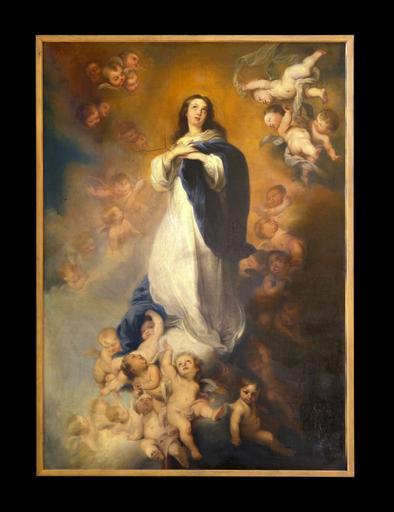
  • December 8th shines like a pearl in the midst of winter — the Feast of the Immaculate Conception. It is a day wrapped in mystery and grace, a celebration not of Jesus’ conception, but of Mary’s — the moment she was preserved, by God’s own mercy, from the stain of original sin.

    We sometimes think of this feast in terms of purity, perfection, or theological brilliance. But there is a quieter, more intimate truth woven into it:

    Mary was perfectly receptive to God.

    Her entire being — body, mind, spirit — was at rest in Him.

    And so her “yes” to the angel was not rushed.

    Not panicked.

    Not pressured.

    Not anxious.

    It was a regulated, peaceful, grounded yes — the kind of yes that can only be spoken from a place of interior safety and trust.

    This post explores how Mary’s disposition teaches us what it means to let God work gently within our own nervous systems, especially when we feel overwhelmed, exhausted, or afraid.


    Mary’s Yes: A Heart That Felt Safe in God

    When Gabriel appeared, Mary was “troubled,” Scripture says — but she was not undone. She questioned, but she did not spiral. She was startled, but she was not consumed by fear.

    Why?

    Because Mary lived her whole life in a state of holy attunement to God.

    Her nervous system was anchored in trust.

    Her heart was rooted in peace.

    Her body was not braced for danger — it was open to grace.

    This is the heart of the Immaculate Conception:

    Mary was not just free from sin — she was free from the interior chaos sin creates.

    She had:

    • no compulsive self-protection

    • no frantic need to control outcomes

    • no internal war between fear and trust

    • no shame that made her hide

    • no fragmentation in her identity

    • no disordered attachments

    • no spiritual insecurity

    Her “yes” was the fruit of profound interior wholeness.


    Wholiopathic Insight: Saying Yes Requires a Regulated Nervous System

    In Wholiopathic healing, we recognize that the body cannot say a peaceful yes if it is stuck in:

    • fight

    • flight

    • freeze

    • fawn

    • shutdown

    • hypervigilance

    The nervous system must feel safe before it can feel surrendered.

    Mary shows us what that looks like.

    A yes spoken with peace.

    A yes grounded in safety.

    A yes rooted in God rather than external expectations.

    A yes that opens the body instead of collapsing it.

    Your nervous system is not the enemy.

    Your symptoms are not moral failures.

    Your body’s reactions are not signs of weak faith.

    They are invitations.

    Invitations to slow down, breathe deeper, and let God speak to the places inside that feel unheld, unheard, or unsafe.


    Mary’s Yes and Your Chronic Illness

    If your body is tired, inflamed, dysregulated, or struggling, you are not spiritually disqualified — you are spiritually invited.

    Your yes may look different from Mary’s.

    It may be small.

    It may tremble.

    It may be whispered instead of proclaimed.

    It may be repeated every day with shaky trust.

    But God does not require a perfect yes.

    He blesses a sincere one.

    Mary’s immaculate heart teaches us:

    God works most powerfully in peaceful, open, surrendered bodies — not pressured, frantic ones.

    And He is patient with the yes that grows slowly.


    A Gentle Practice: The Marian Grounding Breath

    This is a calming ritual you can pray on December 8th — or any day your body feels overwhelmed.

    1. Sit comfortably, place one hand over your heart.
    2. Inhale softly for 4 seconds, praying:“Let it be done in me…”
    3. Exhale for 6 seconds, praying:“…according to Your word.”
    4. Repeat 5–10 times.

    This mirrors Mary’s yes: peaceful, grounded, surrendered.

    The long exhale signals to your body:

    You are safe. God is here. You can rest.


    Herbal Companion: White Rose & Chamomile “Fiat” Tea

    A calming blend inspired by Mary’s immaculate openness.

    • 1 tsp chamomile (grounding, soothing, anti-inflammatory)
    • ½ tsp dried white rose petals (purity, tenderness, Marian devotion)
    • 1 tsp lemon balm (calms racing thoughts)
    • Honey or vanilla to taste

    Sip slowly, ideally during prayer or journaling.

    Let it soften the edges of your day.

    Let it remind you that peace is possible.


    Closing Prayer

    Immaculate Mary, full of grace and full of peace,

    teach my heart to rest the way yours did.

    Help me say yes with calm trust,

    not anxiety or fear.

    Regulate what is dysregulated,

    soothe what is inflamed,

    heal what is overwhelmed,

    and shelter what is fragile within me.

    Mother, undoer of knots,

    untangle my fears.

    Mother most gentle,

    wrap my nervous system in your mantle of peace.

    May my yes — however small or trembling —

    be met by God’s great mercy.

    Amen.

    From my Grace Filled Lemons heart to Yours,

    Laura

  • When the Magi entered the humble home where Jesus rested in Mary’s arms, they brought gifts that were more than precious — they were prophetic.

    Gold for His Kingship.

    Frankincense for His divinity.

    Myrrh for His sacrificial love.

    These gifts were not random treasures; they were spiritual medicines, chosen with discernment, symbolism, and an understanding that God speaks through creation.

    This post offers a gentle, Wholiopathic way to enter the Magi’s mystery: by crafting herbal gifts inspired by the wisdom of Epiphany, gifts that honor Christ and bless the bodies and souls of those you love.

    Each recipe is simple, meaningful, and rooted in biblical symbolism — perfect for December, Epiphany, and winter wellness.


    1. GOLD: The Gift of Royalty — Warm Golden Milk Latte Blend

    Gold symbolizes kingship, authority, dignity, and divine worth.

    In Wholiopathic herbal wisdom, “golden milk” symbolizes warmth, restoration, circulation, and inflammation support.

    Golden Milk Latte Mix

    A soothing, anti-inflammatory blend.

    Ingredients:

    • 2 tbsp turmeric powder (the “gold” of the spice world)
    • 1 tsp ginger powder
    • 1 tsp cinnamon
    • ¼ tsp black pepper (activates turmeric’s benefits)
    • Optional: 1 tsp vanilla powder or cardamom

    Instructions:

    Mix ingredients and store in a small jar.

    Add 1 tsp to warm milk (or oat milk) with a drizzle of honey.

    Symbolism to Include on a Gift Tag:

    “May the King of Kings warm your body and your spirit this winter.”


    2. FRANKINCENSE: The Gift of Worship — Frankincense Anointing Oil

    Frankincense was offered because Christ is God — worthy of adoration.

    It has traditionally been used for prayer, contemplation, emotional peace, and gentle healing.

    Frankincense Heart-Calming Oil

    Ingredients:

    • 2 tbsp jojoba or sweet almond oil
    • 5–7 drops frankincense essential oil
    • Optional: 1 drop rose or copaiba for heart-soothing softness

    Instructions:

    Combine in a small amber bottle.

    Shake gently before use.

    Rub over the heart, wrists, or the back of the neck during prayer.

    Symbolism to Include on a Gift Tag:

    “May the presence of God fill your heart with peace, as incense once rose before the Christ Child.”


    3. MYRRH: The Gift of Healing — Myrrh Balm for Winter Skin

    Myrrh was offered as a sign of Christ’s coming sacrifice — and its uses include healing, preserving, and comforting.

    Myrrh Blessing Balm

    Soothing and protective for dry winter skin.

    Ingredients:

    • 2 tbsp beeswax pellets
    • 4 tbsp olive oil or coconut oil
    • 3–5 drops myrrh essential oil
    • Optional: 2 drops lavender for softness

    Instructions:

    Melt beeswax and oil together.

    Remove from heat and cool slightly.

    Stir in essential oils.

    Pour into small tins and allow to solidify.

    Symbolism to Include on a Gift Tag:

    “May Christ, the Healer of all wounds, wrap you in His tenderness.”


    4. BONUS: Epiphany Simmer Pot — A Gift of Light and Revelation

    Perfect for warming the home, honoring Christ’s manifestation to the nations, and supporting calm winter evenings.

    Ingredients:

    • Orange peel (light and revelation)
    • Cinnamon stick (warmth)
    • Two cloves (adoration)
    • Small sprig of rosemary (remembrance)
    • A pinch of frankincense resin (divinity) if available

    Simmer gently and let the fragrance become a prayer.

    Tag Symbolism:

    “As the Magi followed the light, may this fragrance lead your heart toward Christ.”


    How to Package These Gifts Beautifully

    You can keep the aesthetic simple, rustic, and Grace Filled Lemons–cozy:

    • small amber glass bottles

    • twine or natural string

    • kraft paper or linen tags

    • a sprig of pine tucked beneath the twine

    • a single gold star sticker

    • handwritten Scripture verses, like:

    • Matthew 2:11
    • Isaiah 60:1
    • Psalm 72:10–11

    The beauty is not in extravagance — it’s in meaning.


    Closing Prayer

    Lord Jesus,

    as the Magi brought gifts to Your cradle,

    teach me to bring gifts that honor You —

    gifts of healing, warmth, peace, and love.

    Bless the work of my hands as I craft these simple offerings.

    May they carry Your tenderness,

    Your royalty,

    Your divinity,

    and Your healing presence

    into the homes and hearts of those I love.

    Make every gift a small Epiphany,

    a revelation of Your goodness in winter’s quiet days.

    Amen.

    From my Grace Filled Lemons heart to yours,

    Laura

  • When we think of Bethlehem, we often picture a distant town, a wooden stable, a crisp night sky pierced by angel song. But Scripture reveals something far more intimate: Bethlehem is not merely a place on a map — it is a posture of the heart, a humility of the body, a willingness to make room for Christ no matter how simple or small the space may seem.

    And perhaps the most profound truth is this:

    Your own body is invited to become Bethlehem.

    This December, God gently asks not for perfect surroundings or flawless preparation, but for a home — within you — where He can rest, dwell, and be welcomed.


    The Incarnation: God Entering the Fragile Places

    Christ didn’t choose a palace, or a fortress, or any place of prestige. He chose:

    • a poor town

    • a humble mother

    • a borrowed manger

    • a fragile, newborn body

    The Incarnation is God saying:

    “Nothing in your humanity is too simple, too fragile, or too broken for Me.”

    And so, the places you might consider weak or unworthy — chronic illness, exhaustion, emotional wounds, your limitations, your waiting — these are the exact places Christ desires to enter.

    Bethlehem was small.

    Bethlehem was overlooked.

    Bethlehem was imperfect.

    Bethlehem was enough.

    So are you.


    Wholiopathic Insight: Your Body as Sacred Space

    One of the most life-changing ways to view Advent is through the lens of embodiment. You’re not just preparing your home or your schedule — you’re preparing your body as a dwelling place for divine love.

    In Wholiopathic healing, the body is not the enemy, the obstacle, or the burden. It is the sanctuary:

    • Your breath is prayer.

    • Your heartbeat is liturgy.

    • Your rest is sacrament.

    • Your nourishment is devotion.

    • Your limitations are invitations into humility and gentleness.

    Chronic illness does not disqualify you from holiness — it deepens your experience of it.

    Because Bethlehem was not chosen for its strength, but for its availability.


    Making Room: A Gentle Advent Examination

    Ask yourself softly — without pressure, without judgment:

    Where is Christ nudging me to make room for Him?

    Is it in:

    • your morning routines?
    • your emotional landscape?
    • your overwhelmed nervous system?
    • your marriage?
    • your physical healing journey?
    • your quiet longing for holiness?
    • your desire for convalidation and sacramental grounding?

    The stable didn’t become sacred by changing what it was.

    It became sacred because God entered it.

    He desires to do the same with you.


    A Simple Advent Ritual: The Bethlehem Breath

    Use this practice anytime you feel overwhelmed, anxious, or unworthy.

    1. Place your hand over your heart or stomach.
    2. Inhale slowly for 4 counts, praying:“Lord, dwell in me.”
    3. Exhale for 6 counts, praying:“I make room for You.”
    4. Repeat 5–7 times.

    As your breath lengthens, your vagus nerve calms, cortisol lowers, your body rests, and your spirit becomes still.

    This is Advent in its purest form:

    making space inside for God to enter.


    Herbal Companion: Bethlehem Hearth Blend

    A cozy, grounding tea that reflects the warmth of Christ’s coming.

    • 1 tsp rooibos (comfort; the warmth of welcome)
    • 1 pinch cinnamon (circulation; heart-opening)
    • 1 tsp dried apple or pear (innocence, sweetness, simplicity)
    • ¼ tsp cedar tips or pine needles (holy ground, winter purity)
    • Honey to taste

    Sip as you pray, reflect, and breathe.

    Let it remind you that your body is a place of divine indwelling.


    Closing Prayer

    Lord Jesus,

    Make my body a Bethlehem for You.

    Enter the places that feel small, tired, weak, or worn down.

    Sanctify the stable of my humanity.

    Teach me to honor my body as holy ground,

    chosen by You and loved by You.

    Let my breath welcome You,

    my rest glorify You,

    my longing draw You near.

    Come, Emmanuel.

    Be born in me today.

    Amen.

    From my Grace Filled Lemons Heart to yours,

    Laura

  • There is a quiet holiness to December that stretches far beyond the candles and the hymns and the soft purple of Advent. This is the month when creation itself slows down. Trees surrender their leaves, the soil grows still, and even the light pulls back earlier each evening, leaving us wrapped in shadows that feel like a natural invitation to exhale.

    Advent is not simply a season of waiting.

    It is a season of wintering — allowing God to do His hidden work beneath the surface of our lives.

    If November taught us gratitude, reflection, and the remembrance of saints, December invites us deeper still. It draws us into a sacred kind of slowing that mirrors the wintering landscape around us and the hidden womb of Mary, where the Savior quietly grew beneath her heart.


    The Grace of Sacred Slowness

    In our culture, December is often frantic — full of deadlines, travel, noise, and expectation. But in the Christian life, Advent is gently countercultural. It pulls us away from frenzy and into stillness.

    In Luke 1, we see something astonishing:

    God does His greatest work in silence.

    Christ was conceived in the hush of Nazareth.

    He grew in the stillness of Mary’s womb for nine hidden months.

    He entered the world in the quiet of a stable while most people slept.

    The Church gives us this rhythm every year because our hearts forget:

    Holiness often comes slowly. Healing often comes quietly.

    And the deepest spiritual growth happens beneath the surface, where no one sees.


    Wholiopathic Insight: Why Your Body Needs to Winter Too

    Winter isn’t just a poetic idea — your body was designed to honor it.

    In traditional Wholiopathic wisdom, winter signifies:

    • rest
    • repair
    • lowered inflammation
    • reduced sensory input
    • deeper sleep
    • drawing inward to conserve energy

    This mirrors what the natural world does instinctively.

    When we resist this rhythm — when we push, rush, overschedule, or ignore the body’s desire to quiet down — our nervous system can become dysregulated, inflammation rises, and chronic symptoms can flare.

    But when we allow ourselves to “winter with God,” we experience what the body and soul were created for:

    • gentler mornings
    • slower breathing
    • calmer cortisol
    • restful evenings
    • a sense of safety in God’s presence

    Advent is not just a spiritual season.

    It is a physiological invitation to heal.


    Mary’s Hidden Months: The First Advent of All

    Mary lived the very first Advent — not with garlands or gatherings or lists — but with quiet, holy surrender.

    No one saw the miracle growing inside her.

    No one witnessed the transformation taking place in her body.

    No one understood the magnitude of her hidden yes.

    Your Advent may feel hidden too.

    Your healing may be slow.

    Your prayers may feel buried beneath life’s weight.

    But the hidden places are where Christ loves to dwell.

    “The kingdom of God is within you.”

    (Luke 17:21)

    In your breath.

    Your quiet mornings.

    Your still nights.

    Your fragile body.

    Your longing heart.

    Your silent waiting.

    Winter is not a pause.

    It is preparation.


    A Simple Advent Practice: Wintering Prayer Ritual

    Each morning or evening, light a single candle and pray:

    “Lord, slow me down to the pace of Your peace.

    Let me winter with You.

    Let stillness become my sanctuary.

    Let waiting become holy ground.”

    Allow yourself five minutes of silence — no phone, no noise, no demands — just you, the slow glow of a candle, and the steady presence of God who loves you.

    This small practice gently signals your nervous system that you are safe, anchored, and held.


    Herbal Companion: The Sacred Stillness Tea

    This tea supports grounding, digestion, warmth, and calm — perfect for winter evenings.

    • 1 tsp vanilla or vanilla bean scrap (comfort, heart-softening)
    • ½ tsp cardamom (grounding, warming)
    • 1 tsp rooibos or chamomile
    • Splash of warm milk or oat milk
    • Honey to taste

    Sip slowly.

    Let warmth spread through your chest.

    Let your breath deepen.

    Let yourself rest.


    Closing Prayer

    Lord Jesus,

    Teach me to winter with You.

    Quiet my racing heart, calm my anxious mind,

    and slow my steps to match the rhythm of Your peace.

    Help me embrace this season of hidden work —

    trusting that You are forming something sacred within me

    even when I cannot see it.

    May my home, my body, and my heart

    become a small Bethlehem

    where Your presence rests softly and fully.

    Come, Lord Jesus.

    Be born in me anew.

    Amen.

    From my Grace Filled Lemons heart to yours,

    Laura

  • Entering the Season of Promise with Stillness and Faith

    “The people who walked in darkness have seen a great light;

    upon those who lived in a land of gloom a light has shone.”

    — Isaiah 9:2

    Advent begins in the dark — not the darkness of despair, but of anticipation.

    In the hush before dawn, before the first light breaks, the Church whispers: Christ is coming.

    It’s a season not of frenzy, but of holy stillness, a sacred time to prepare the heart for the coming of the Savior.


    The First Candle: Hope

    The first candle of the Advent wreath, glowing purple, represents Hope — the virtue that anchors our souls to God’s promises even when our world feels uncertain.

    As the Catechism of the Catholic Church reminds us:

    “Hope is the theological virtue by which we desire the kingdom of heaven and eternal life as our happiness, placing our trust in Christ’s promises.” (CCC 1817)

    Hope is not wishful thinking. It is steady, unwavering confidence that God is faithful — that He will fulfill every promise spoken over our lives.

    When we light the first candle, we remember that even a single flame pushes back the night. It’s the light of the prophets, the voice of John the Baptist, the quiet “yes” of Mary, and the promise that God is near.


    Creating the Space for Hope

    Before lighting the candle, still your home. Turn off the noise.

    Let the small act of lighting a wick become your yes to God’s timing.

    Even if the world outside rushes toward Christmas, your heart can linger here — in the quiet joy of waiting.

    “Be strong and take heart, all you who hope in the Lord.” — Psalm 31:24

    Each night this week, light your first candle and let that moment gather your family — or your soul — around His promise. Read a short passage, breathe, and pray.


    A Simple Candle Prayer for Week One

    Lord Jesus,

    Light of the World,

    as we light this first candle of Advent,

    fill our hearts with the hope of Your coming.

    When the world feels weary,

    remind us that You are faithful.

    When life feels uncertain,

    teach us to wait with trust.

    May this small flame remind us that

    Your promises never fail,

    and Your light will always overcome the darkness.

    Amen.


    A Wholiopathic Reflection: Hope in the Body and Soul

    Hope is a deeply healing force. It steadies the heartbeat, softens tension, and quiets the nervous system. Just as light influences the rhythms of nature, hope restores the inner rhythm of the soul.

    To nurture that balance this week:

    • Take gentle walks at dawn or dusk and pray with your breath.
    • Diffuse or simmer orange peel and cinnamon for warmth.
    • Begin each morning with a verse of hope — perhaps Romans 15:13:“May the God of hope fill you with all joy and peace in believing.”

    Even the smallest rituals of hope teach our bodies that peace is possible.


    Living Hope

    As you move through the week, let this candle remind you:

    • Hope looks forward but stands firmly in the present.
    • Hope does not erase suffering, but transforms it.
    • Hope keeps the flame alive while the dawn is still hidden.

    The light we kindle in Advent isn’t only symbolic — it’s the real, radiant love of Christ shining through our waiting. Every time you light that first candle, you proclaim with the Church:

    “Come, Lord Jesus.” (Revelation 22:20)


    Closing Prayer

    O Come, Divine Promise,

    Light our hearts with the fire of Your hope.

    As this candle burns, may it awaken faith where fear has taken root,

    and joy where weariness has settled.

    Let Your light guide our steps through this season of waiting,

    until we behold You face to face —

    the Hope of every heart, the Light of every soul.

    Amen.

    From My Grace Filled Lemons Heart to Yours,

    Laura

  • Reflections for the Feast of Christ the King and the Threshold of Advent

    “The light shines in the darkness, and the darkness has not overcome it.” — John 1:5

    The final Sunday of the liturgical year, the Feast of Christ the King, is a crown placed gently upon all that has come before. It’s the Church’s reminder that every season, every joy, and every trial of the past year finds its fulfillment in Christ’s Kingship.

    We stand now at a sacred threshold — the year ending, a new one soon beginning. The saints, our elder brothers and sisters in faith, walk this threshold with us. Their lives point like candles toward the coming Light of Christ, showing us how to wait, how to love, and how to reign with Him in humility.


     The Kingship of Christ in the Heart

    The Catechism of the Catholic Church teaches that “to reign is to serve Him” (CCC 786). Christ’s kingship is not about worldly dominance but divine mercy — a rule of peace that begins in the quiet surrender of our hearts.

    When we allow Christ to reign within us, our homes, families, and even our daily habits become extensions of His Kingdom. The smallest act of charity, the simplest prayer, the choice to forgive — these are the royal deeds of heaven on earth.

    “For He must reign until He has put all His enemies under His feet.” — 1 Corinthians 15:25


    Preparing for Advent with the Saints

    The saints teach us not just how to serve God, but how to wait well — with faith, hope, and trust in His timing. As you prepare for Advent, let these holy friends guide your reflection.


    St. Elizabeth of the Trinity — The Indwelling God

    “Let yourself be loved.”

    St. Elizabeth of the Trinity reminds us that holiness begins in stillness. Her writings invite us to rest deeply in the indwelling presence of God — not striving, not performing, simply being filled.

    In these quiet November days, let her prayer become yours:

    “O my God, Trinity whom I adore… make my soul Your heaven.”

    Reflection:

    Where in my life am I resisting stillness because I’m afraid of what silence will reveal?


    St. Thérèse of Lisieux — The Little Way of Love

    “My vocation is love.”

    St. Thérèse teaches that small sacrifices done with great love have eternal weight. As Advent approaches, her simplicity calls us to slow down — to offer little acts of love in hidden ways.

    Reflection:

    How can I prepare for Christ’s coming through small, unnoticed acts of love today?


    St. Catherine Labouré — The Hidden Vessel of Grace

    “Come to the foot of the altar.”

    Through St. Catherine, Mary revealed the Miraculous Medal — a sign of divine mercy poured out upon the world. Her quiet obedience opened rivers of grace.

    As you prepare your Advent candles, think of her humble faith. Every light we kindle is a small “yes” that invites heaven to touch earth.

    Reflection:

    Do I believe God can work miracles through my ordinary faith?


    Lighting the Threshold

    Before Advent begins, pause to reflect: Christ is not only coming into the world — He is coming into you. The Feast of Christ the King is not the end of the story but the beginning of new light breaking through.

    Let the saints’ witness become your Advent preparation: prayer in stillness, love in action, mercy in surrender.

    “He will come again in glory to judge the living and the dead, and His kingdom will have no end.” — Nicene Creed


    Closing Prayer

    Lord Jesus Christ, King of the Universe,

    You reign not with power but with peace, not with fear but with love.

    I crown You King of my heart and home today.

    Help me to prepare for Your coming with the faith of Elizabeth,

    the love of Thérèse, and the humility of Catherine.

    May Your light shine in every darkness,

    and may my life become a small reflection of Your eternal Kingdom.

    Amen.

    From My Grace Filled Lemons Heart to Yours,

    Laura

  • Welcoming the Light of Christ into the Heart of Your Home

    “The people who walked in darkness have seen a great light.” — Isaiah 9:2

    Before the rush of Christmas decorations and carols, the Church bids us to pause and prepare. Advent — from the Latin ad venire, “to come” — is not only about waiting for the birth of Christ but about awakening our hearts to His continual coming among us.

    Creating a simple, sacred centerpiece for Advent transforms an ordinary table into an altar of waiting. It draws the senses into prayer — light, scent, texture — and reminds the soul that Christ is near.


    The Meaning of the Wreath and Its Candles

    In the Catechism of the Catholic Church, we’re told that the liturgy “makes present the mystery of Christ” and draws us into His saving work (CCC 1068). The Advent wreath or centerpiece is one small way the domestic church — your home — participates in that mystery.

    Each element carries profound symbolism:

    • The circular base represents God’s eternal nature — no beginning, no end.
    • The evergreens stand for eternal life and the constancy of God’s love.
    • The candles mark the four weeks of Advent — growing brighter as the Light of the World draws near.
    • The colors — three purple and one rose — embody the rhythm of repentance and joyful anticipation.

    As CCC 524 explains, “When the Church celebrates the liturgy of Advent each year, she makes present this ancient expectancy of the Messiah.”


     Gather What You Have

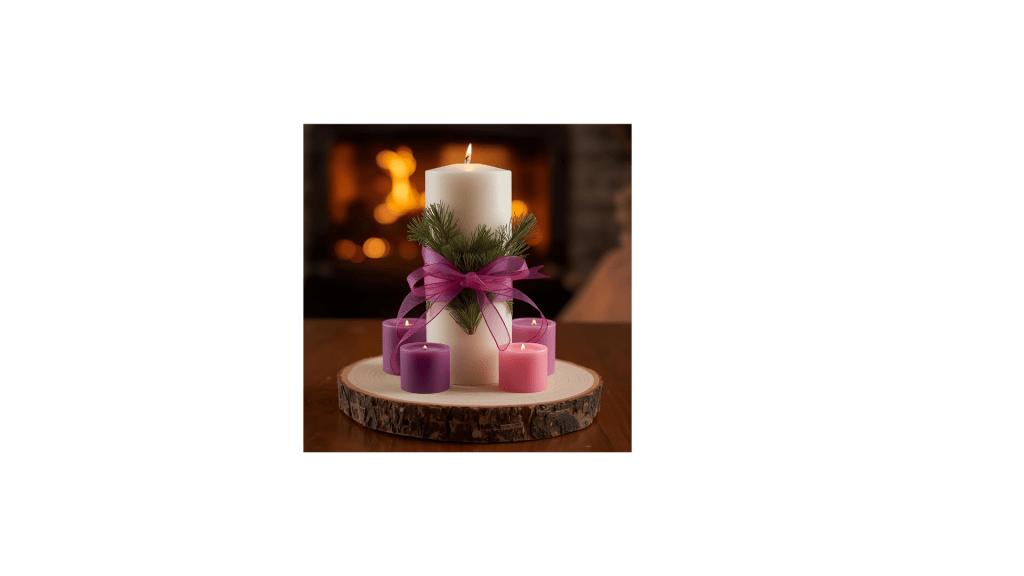
    You don’t need a formal wreath. A wooden charger, your large battery candle, and a few simple natural accents will do beautifully.

    You’ll need:

    • 1 large white candle (for Christ, to be lit on Christmas)
    • A few evergreen sprigs (pine, cedar, or fir)
    • Optional: 4 small votives or tea lights (3 purple, 1 pink — or clear glass wrapped with ribbon)
    • A purple ribbon and a rose ribbon for subtle color symbolism
    • A small wooden charger or plate as your base

    Assemble with Intention

    1. Prepare the space.Choose a quiet corner or table where prayer happens naturally — the kitchen table, a prayer nook, a family altar.
    2. Arrange the evergreens in a circle around the charger. Let them look natural and alive, not perfect.
    3. Place the large white candle in the center.This is your Christ Candle, symbolizing the Light of the World. Leave it unlit until Christmas Eve or Christmas Day.
    4. If using four small candles, space them evenly around the center:
      • 1st week: Purple — Hope
      • 2nd week: Purple — Peace
      • 3rd week: Rose — Joy (Gaudete Sunday)
      • 4th week: Purple — Love
    5. Tie or tuck the ribbons gently among the greens — purple for penance, rose for joy.

    As you build, whisper a prayer of invitation:

    “Lord Jesus, may this light prepare the way for Your coming.

    Let each flame remind us that hope is stronger than darkness.”


     Weekly Reflection Candles

    Each Sunday of Advent, you can light (or switch on) one additional candle.

    Take a moment of quiet or read a Scripture passage before meals or prayer:

    WeekCandleThemeScripture
    1PurpleHopeIsaiah 40:3–5 — “Prepare the way of the Lord.”
    2PurplePeaceLuke 1:78–79 — “To guide our feet into the way of peace.”
    3RoseJoyPhilippians 4:4 — “Rejoice in the Lord always.”
    4PurpleLoveJohn 3:16 — “For God so loved the world…”

    These small rituals orient our homes to the rhythm of grace, helping us slow down and live liturgically — not just seasonally.


    A Prayer to Bless the Centerpiece

    Lord God,

    As I prepare this humble space for You,

    bless these evergreens, this light, and this home.

    May this centerpiece remind me that You are the center of all things.

    Teach me to wait with holy patience,

    to rejoice in hope, and to welcome You with a heart made ready.

    Come, Lord Jesus, Light of the World. Amen.


    A Living Symbol

    Each time you pass your Advent centerpiece, pause for a moment — take a breath, whisper a prayer, or simply thank God for the quiet beauty of waiting. As you do, you’re keeping vigil with the whole Church, preparing your soul to behold the Light that never fades.

    From My Grace Filled Lemons Heart to Yours,

    Laura

© 2025 Laura Smith. All rights reserved.
The content on Grace Filled Lemons is the intellectual property of the author and may not be reproduced without written permission.