A Month of Martyrs, Mercy, and Hidden Fidelity
March is not a quiet month in the Church.
It is a procession of courage.
From martyrs in the arena…
To mystics in their homes…
To reformers, founders, and hidden guardians…
March teaches us that holiness takes many forms — bold, wounded, silent, sacrificial.
Let us walk through them in order.
March 3
St. Katharine Drexel (1858–1955)
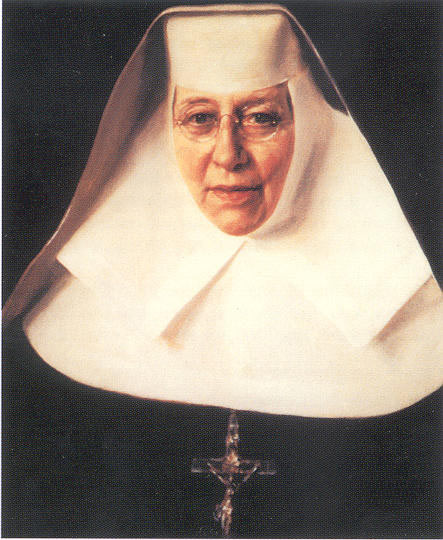

Saint Katharine Drexel
Born into Philadelphia wealth, Katharine inherited millions — and gave nearly all of it away.
She founded the Sisters of the Blessed Sacrament and established schools for Native American and African American communities at a time when such work was unpopular and even dangerous.
Her sanctity was not sentimental. It was strategic, sacrificial, and steady.
March 7
Saints Perpetua and Felicitas (d. 203)
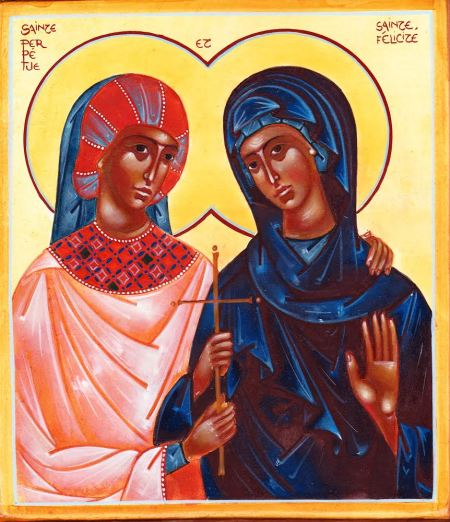
Saints Perpetua and Felicity
Young mothers.
Catechumens.
Imprisoned in Carthage during Roman persecution.
Perpetua was noble-born. Felicitas was enslaved. Their friendship in prison defied social order.
Perpetua kept a prison diary — one of the earliest surviving Christian writings by a woman.
They were condemned to die in the arena.
Felicitas gave birth just days before martyrdom.
Their courage was maternal, defiant, luminous.
They remind us that holiness does not wait for convenience.
March 8
St. John of God (1495–1550)


Saint John of God
A soldier. A wanderer. A bookseller.
After a dramatic conversion, John devoted his life to caring for the sick and mentally ill — people often abandoned and mistreated in his time.
He founded what became the Brothers Hospitallers.
He personally carried the sick through the streets to shelter.
His holiness was gritty and practical.
He is now the patron of hospitals and the sick.
March 9
St. Frances of Rome (1384–1440)
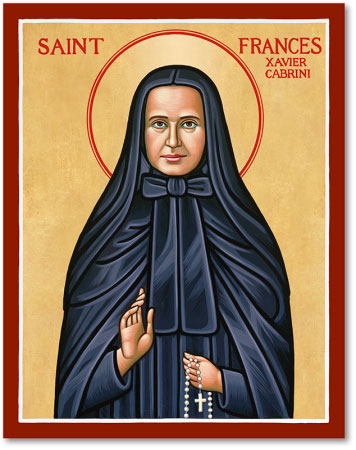
Saint Frances of Rome
Wife. Mother. Mystic.
Frances lived in Rome during political unrest and plague.
Though married young, she cultivated deep contemplative prayer while managing a household.
After her husband’s death, she founded a community of oblates.
She reportedly saw her guardian angel.
Frances reminds us that sanctity is possible in domestic life — in kitchens, sickrooms, and city streets.
March 10
The Forty Martyrs of Sebaste (d. 320)

Forty Martyrs of Sebaste
Forty Roman soldiers who refused to renounce Christ.
They were sentenced to stand naked on a frozen lake overnight.
One renounced the faith and left.
A guard, moved by their courage, declared himself Christian and took his place — restoring the number to forty.
Their story is about perseverance together.
We are not meant to endure alone.
March 12
St. Gregory the Great (c. 540–604)


Pope Gregory I
A monk who became pope.
He strengthened liturgical structure, missionary expansion, and Church governance.
Gregorian chant bears his name.
He wrote extensively on pastoral care.
Gregory shows us that intellectual leadership can be holy service.
March 17
St. Patrick (c. 385–461)


Saint Patrick
Kidnapped. Enslaved. Escaped.
Returned as missionary bishop to Ireland.
Converted thousands.
Forgave deeply.
Patrick’s feast is not about green decorations.
It is about resurrection after captivity.
March 19
St. Joseph

Saint Joseph
Carpenter. Protector. Dream-listener.
He models quiet obedience and fatherly courage.
Look for a more in depth post about our beloved St Joseph on the 19th.
March 21
St. Benedict (480–547)


Saint Benedict of Nursia
Founder of Western monasticism.
Author of the Rule of St. Benedict.
His motto: Ora et Labora — Pray and Work.
He built stability in chaotic times.
March 24
St. Gabriel the Archangel


Gabriel
Messenger of the Annunciation.
Gabriel appears in Daniel and Luke.
He carries news that changes history.
His feast reminds us that God still speaks.
March 25 & March 27
The Annunciation & The Seven Sorrows of Mary


Annunciation
Seven Sorrows of Mary
Mary’s fiat begins salvation history.
Yet her yes carried sorrow:
- Simeon’s prophecy
- Flight into Egypt
- Losing Jesus in the Temple
- Meeting Him on the way to Calvary
- Standing at the Cross
- Receiving His body
- Laying Him in the tomb
March holds both annunciation and foreknowledge of suffering.
March Is a School of Courage
Martyrs.
Mothers.
Mystics.
Missionaries.
Monks.
March does not offer one model of holiness.
It offers many.
And perhaps that is the grace of this month.
There is room for your particular path.
From My Grace Filled Lemons Heart to Yours,
Laura
 Grace Filled Lemons
Leave a comment