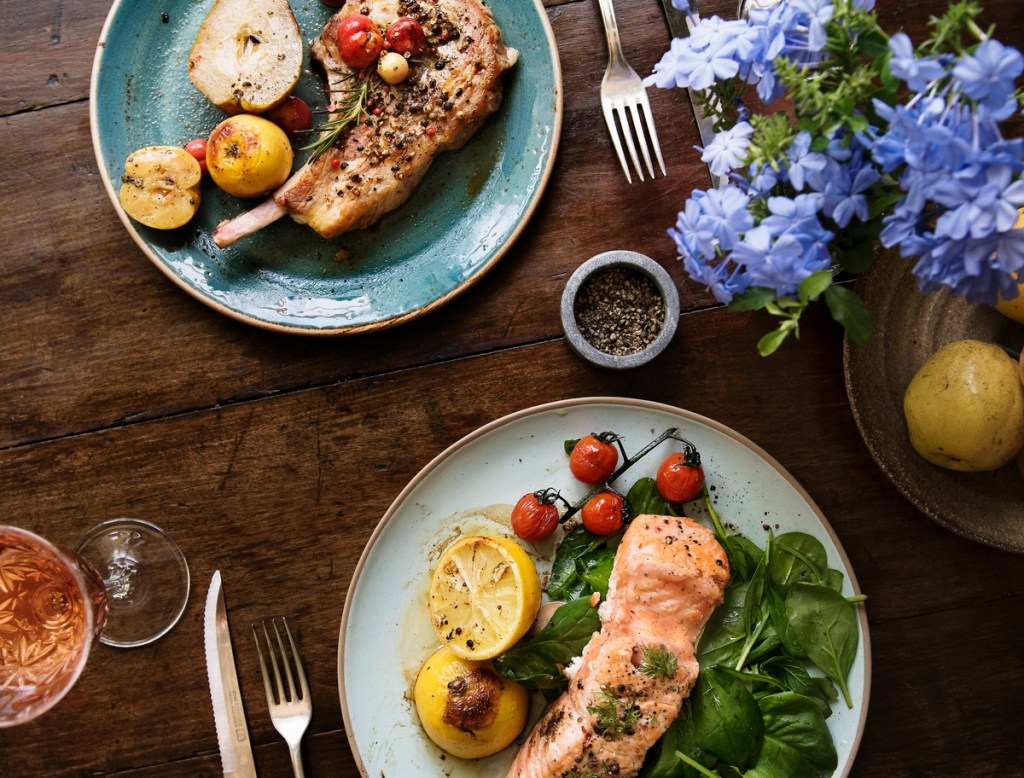
In a world where we often eat on the go, skip meals, binge out of boredom, or grab whatever’s fastest, it can be easy to forget that food is not just fuel—it’s a gift. As Catholics, we believe our bodies are temples of the Holy Spirit. What we put into them matters—not just for our physical well-being, but for our spiritual lives, too.
That’s why I created the Grace Filled Lemons Catholic Meal Planner: a simple, beautiful, and intentional way to unite faith and food around the family table.
Why What We Eat Matters
From the first pages of Scripture, food has been sacred. God gave Adam and Eve a garden. Jesus shared meals with sinners and saints alike. And at the heart of our faith is a meal—the Eucharist, the Bread of Life.
But somewhere along the way, food in our culture became a source of stress, shame, or even sin. We eat too much or too little, not out of reverence or celebration, but out of habit or distraction. Gluttony—a sin often brushed off as harmless—can dull our spiritual senses, just as much as pride or greed.
To eat with intention is to remember that food is a form of grace. It sustains us so we can serve. It connects us to the earth, to each other, and to our Creator.
The Virtue of Temperance (Yes, Even in the Kitchen)
One of the cardinal virtues, temperance, calls us to moderation—not just in drinking or spending, but in eating. When we embrace temperance, we honor our limits. We eat to nourish, not to numb. We celebrate without overindulging. We choose foods that bless our bodies, rather than burden them.
This isn’t about guilt or rigid rules. It’s about living with purpose—even at the table.
Whole Foods, Holy Living
My meal plans focus on whole, healing foods—the kind that come from God’s creation, not a factory. Think fresh fruits and vegetables, clean proteins, hearty grains, and herbs that not only flavor our meals but offer healing in every cup of tea.
The benefits of eating this way are not just physical (though increased energy, fewer flare-ups, and a calmer gut are all welcome side effects!). When we eat foods that are close to their natural state, we begin to slow down. To notice. To give thanks. It becomes a form of everyday holiness.
What the Church Teaches About Fasting & Abstinence
Catholicism offers a beautiful rhythm of feasting and fasting, reminding us that food is meant to point us back to God.
Fasting
Catholics are asked to fast on Ash Wednesday and Good Friday, eating just one full meal and two smaller meals that together don’t equal the full one. Fasting helps us detach from worldly pleasures and turn our hearts toward prayer, penance, and solidarity with the poor.
Fasting isn’t about punishing the body—it’s about training our desires. It reminds us that “man does not live by bread alone.” (Matthew 4:4)
Abstinence from Meat
Catholics abstain from meat on Fridays during Lent, and many choose to do so every Friday of the year as a form of penance and remembrance of Christ’s sacrifice on Good Friday.
Why meat? In biblical times, meat was associated with wealth and feasting. Giving it up, even temporarily, becomes a small but meaningful act of self-denial.
Why fish? It was considered a more humble food—accessible, simple, and not associated with celebration in the same way red meat was. Eating fish helps us maintain the spirit of penance while still caring for our bodies.
Including these traditions in your meal planning invites your whole family into the liturgical life of the Church—and makes Friday fish tacos or salmon with herbs a sacred kind of supper.
The Forgotten Fast: Wednesdays and Fridays
While most Catholics are familiar with fasting and abstinence on Fridays, fewer know about the ancient tradition of fasting on Wednesdays as well.
In the early Church, Christians fasted on Wednesdays and Fridays as a regular spiritual practice.
- Wednesday was seen as the day Judas conspired to betray Jesus.
- Friday was the day of the Crucifixion.
By fasting on these two days, early believers honored Christ’s Passion and offered their bodies as a form of prayer and penance.
While it’s no longer required by the Church, many Catholics and Orthodox Christians still choose to voluntarily fast on Wednesdays—whether by skipping a meal, eating simply, or abstaining from meat—as a way to stay anchored in the story of our salvation.
It’s not about legalism. It’s about love, remembrance, and a desire to grow in holiness.
When you plan your meals around this rhythm, food becomes more than sustenance. It becomes an offering.
Liturgical Living Made Easy
Each month, my Catholic Meal Plan includes:
- Feast Day Inspirations: Recipes tied to saints and seasons
- Whole-Food Recipes: Nourishing meals that are simple, healing, and family-friendly
- Herbal & Aromatherapy Pairings: Because God gave us plants with purpose
- Weekly Themes: That align with your spiritual walk and the liturgical calendar
This isn’t just about what’s on your plate—it’s about cultivating a lifestyle of grace, presence, and prayer.
Join Me at the Table
Whether you’re managing chronic illness, caring for your family, or just longing for a more mindful way to nourish yourself, this plan is for you. It’s not a diet. It’s not a burden. It’s a gentle guide toward greater wholeness—body and soul. Every Friday, for the remainder of the year, I’ll post the next weeks meal plan.
So light a candle. Say grace. Pour a cup of herbal tea. And let’s rediscover the sacred rhythm of mealtime—one week, one saint, one bite at a time.
Joyfully His,
Laura
**Disclaimer:
I am not a medical professional, licensed dietitian, or nutritionist. I’m just a girl who loves good food, natural living, and sharing what’s helped me on my own wellness and faith journey. Everything I share here is for educational and inspirational purposes only and should not be taken as medical advice. Please consult with your healthcare provider before making any major changes to your diet, especially if you have chronic health conditions.
 Grace Filled Lemons
Leave a comment